
That time of year again — Seasonal allergies
Blog vol 6.46. That time of year again — Seasonal allergies.


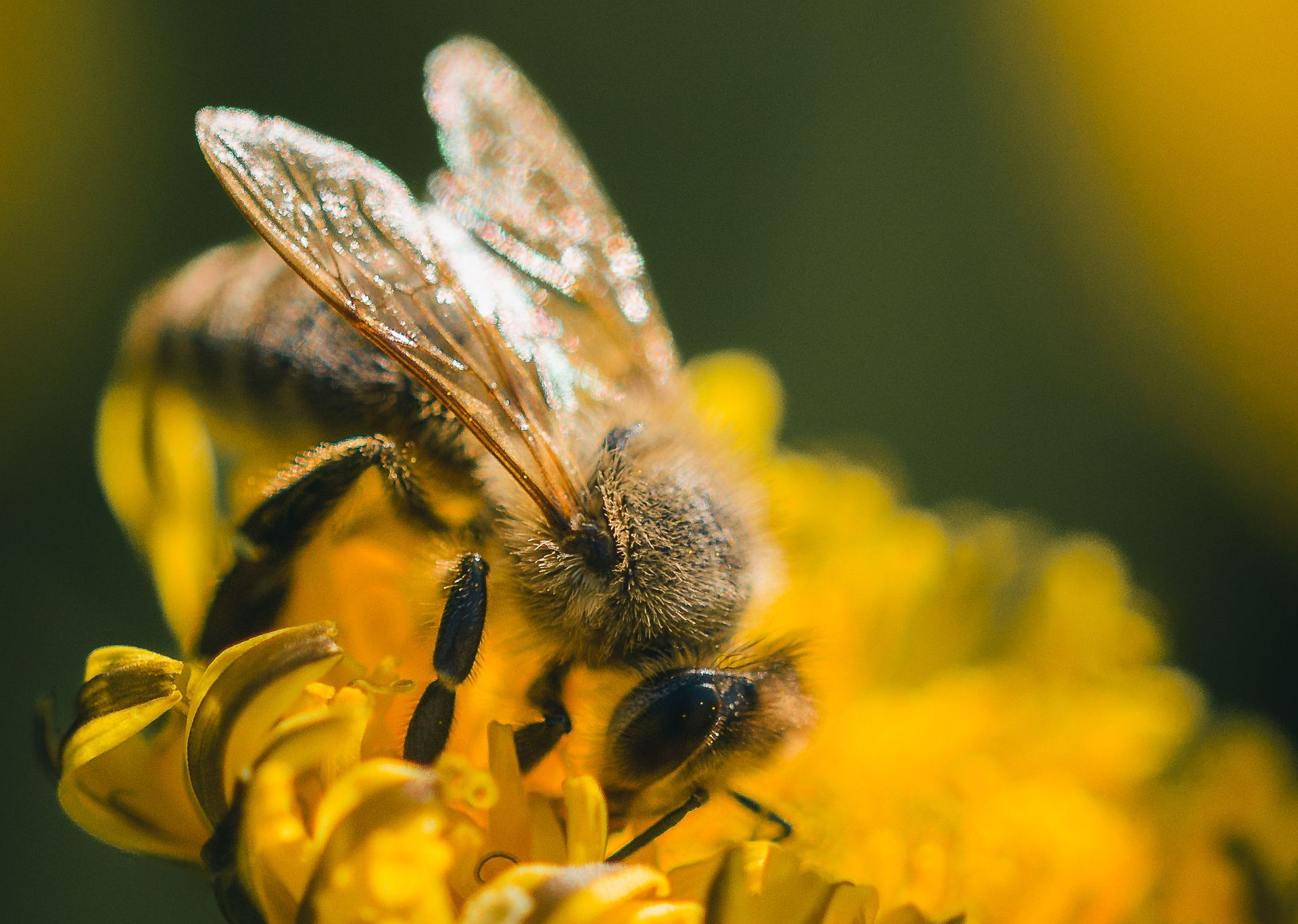
The dark side of spring. Yes, there are fresh smells, new blooms, birds busily building nests, but there are also pollen and grass and seasonal allergies. Allergies start to show up in my chair and behind by biomicroscope: wet, itchy, red eyes, headaches, scratchy throats, and shortness of breath.


So why does the loveliness of spring wreck such havoc for some people?


The offender is a small particle, usually pollen, that is captured and processed by specialized cells called antigen-presenting cells (APCs).  These APCs present fragments of the allergen (antigens) to the T cells (a type of lymphocyte). 


This T cell activation releases chemical signals, such as cytokines, that stimulate other immune cells including B cells and mast cells. The B cells then produce antibodies, specifically immunoglobulin E (IgE), which are specialized in recognizing and binding to the specific allergen.


When the sensitized individual is re-exposed to the same allergen, the allergen binds to the IgE antibodies on the surface of mast cells or basophils. Spring comes, pollen counts go through the roof and we see allergic conjunctivitis.


The combination of allergen with IgE antibodies on mast cells or basophils triggers the release of chemical mediators, including histamines, leukotrienes, and prostaglandins. Histamine, in particular, plays a significant role in producing immediate allergic symptoms. It is these histamines that we are trying to stop. They cause blood vessels to dilate, leading to increased blood flow and leakage of fluid into tissues. This results in local swelling, redness, and heat. Histamine also stimulates the nerve endings causing itching and pain.  It can get serious when increased mucus production from the histamine affects the respiratory tract.


In some cases, an additional response, known as the late-phase response, may occur some time  after the initial allergic reaction. It is characterized by the infiltration of immune cells, including eosinophils and other inflammatory cells, into the affected tissues. This leads to prolonged inflammation and persistent symptoms. This late-phase response is more serious and requires more intervention.


How to help?


1.    Reduce exposure - if you have known sensitivities, be aware of seasonal changes. This is difficult, wearing an N95 mask and safety goggles is not for the fashionista.


2.    Timely response - seek medical help; eye-related, call our office and set up a visit


3.    Treatment depends on severity -

Mild - cold drops and cold compresses

     Moderate - antihistamine drops (go with mast cell stabilizers, quick working)


Severe - oral Benadryl and antihistamine drops (and possibly a soft steroid drop) and cold compresses and patience😊


The key to all this is early intervention to reduce symptoms, restore comfort, and to prevent late-phase allergic response (nasty).


Please call if you have seasonal symptoms.


Enjoy your Spring, and Summer, and Fall….


The good doctor   


By Dr. Mark Germain May 29, 2026
The good doctor explores the interesting topic of eye drops that can whiten the eyes and even thicken the lashes.
By Dr. Mark Germain May 22, 2026
Ever wondered where the phrase "apple of the eye" came from? The good doctor explains.
By Dr. Mark Germain May 17, 2026
This week, we learn about the impact cataracts can have on life and the difference surgery can make.
By Dr. Mark Germain May 7, 2026
The good doctor admires the wonders of the Osprey's vision.
By Dr. Mark Germain May 1, 2026
The good doctor discusses how the eye is a window to the heart with the help of the OCT.
The good doctor take a deeper look at how gut health is connected to eye tissues.
By Dr. Mark Germain April 29, 2026
Blog vol 6.40. The Gut and the Eyes. One of my biggest jobs is to keep abreast of new research and advances in eye health. Most recently, we have seen new stem cell research, gene therapies, as well as new drugs for dry and wet macular degeneration. In January of this year, there was an article in the journal, Cell Death and Disease, that looked at cell apoptosis, specifically with the photoreceptors of the eye. (Read the article here ). Apoptosis is the genetic programming of deliberate and constructive cell death, allowing for the maintenance of healthy structures and systems in the body. Some estimates have the body replacing 50 to 70 billion cells daily by this process. Necrosis, on the other hand, is unplanned cell death caused by injury, toxins, or other negative outside factors; this causes inflammation and disrupts the body’s balance of things. There are stressors that speed up cell turnover. The study looked at photoreceptors in the retina and were able to demonstrate cellular recovery, even in late stages of apoptosis, recovery not breakdown. When certain stressors were reduced, by working with the mitochondria, there was recovery of the photoreceptor cells. How? Mitophagy, the mitochondria’s own process of programmed breaking down and then repurposing the recycled components for new ones. This mitochondrial repair helps to reverse the sequence of apoptosis for the photoreceptors. Mitochondria, how cool. How is this helpful for our eyes? Conditions like retinitis pigmentosa or macular degeneration directly involve the photoreceptors and may be slowed or reversed by helping the mitochondria. So, let’s take care of those mitochondria. There is some evidence for nutritional support for the mitochondrial system. The nutrient, Urolithin A (UA), which is a compound made in our gut from fiber found in pomegranates, berries, and nuts is the only clinically proven substance known to trigger mitophagy, made in the gut no less. Vitamin B3 is critical for mitochondria function, however vitamin B3 based supplements are still to be clinically tested for their support of cell recovery. Nutrients Coenzyme Q10 and L-carnitine are known to help the mitochondria generate energy, and interestingly, infrared light therapy has also been shown to benefit mitochondrial function. Again, food for thought. The gut and its function needs a lot of research. How do probiotics and nutrient precursors affect eye tissues? It is so interesting that the gut can be a factor in eye health. Maybe adding Urolithin A as a supplement is wise, along with the antioxidants in Lutein and Zeaxanthin we use to combat photoreceptor degeneration. Will keep you posted on any new developments.  The good doctor
More Posts