
Some help for Stargardt’s disease
Blog vol 6.51. Some help for Stargardt’s disease.
As a Low Vision Optometrist, I see some interesting eye pathologies and problems. Thankfully, most people have healthy eyes and vision which is easily corrected, however there are eye diseases that can be devastating to eye health and consequently to vision. Macular degeneration is the most common cause of reduced vision and is age-related. The goal in any “low vision assessment” at any age is to use the remaining vision as best possible. Macular degeneration and many other serious eye conditions have a genetic link, some of which are strong and devastating. Stargardt’s disease falls in the “strong and devastating” category and is most commonly caused by a mutation in the ABCA4 gene, the gene responsible for the processing of vitamin A in the retina. This mutation causes irreversible central vision loss starting in childhood.
Current treatments range from gene therapy to working with the vitamin A that is part of the vision cycle. A new treatment, entering phase 3 of clinical trials, is a drug that replaces the damaging vitamin A in the retina. The ABCA4 gene mutation causes the vitamin A, which is necessary for the retinal visual pathway, to convert to a toxic form which is deadly to the sensitive retinal pigment epithelium (RPE) cells. This results in receptor atrophy and vision loss. The drug, Gildeuretinol, is a Vitamin A substitute that prevents this deadly process. The studies have been fast tracked by the FDA because Stargardt”s disease is a rare pediatric disease.
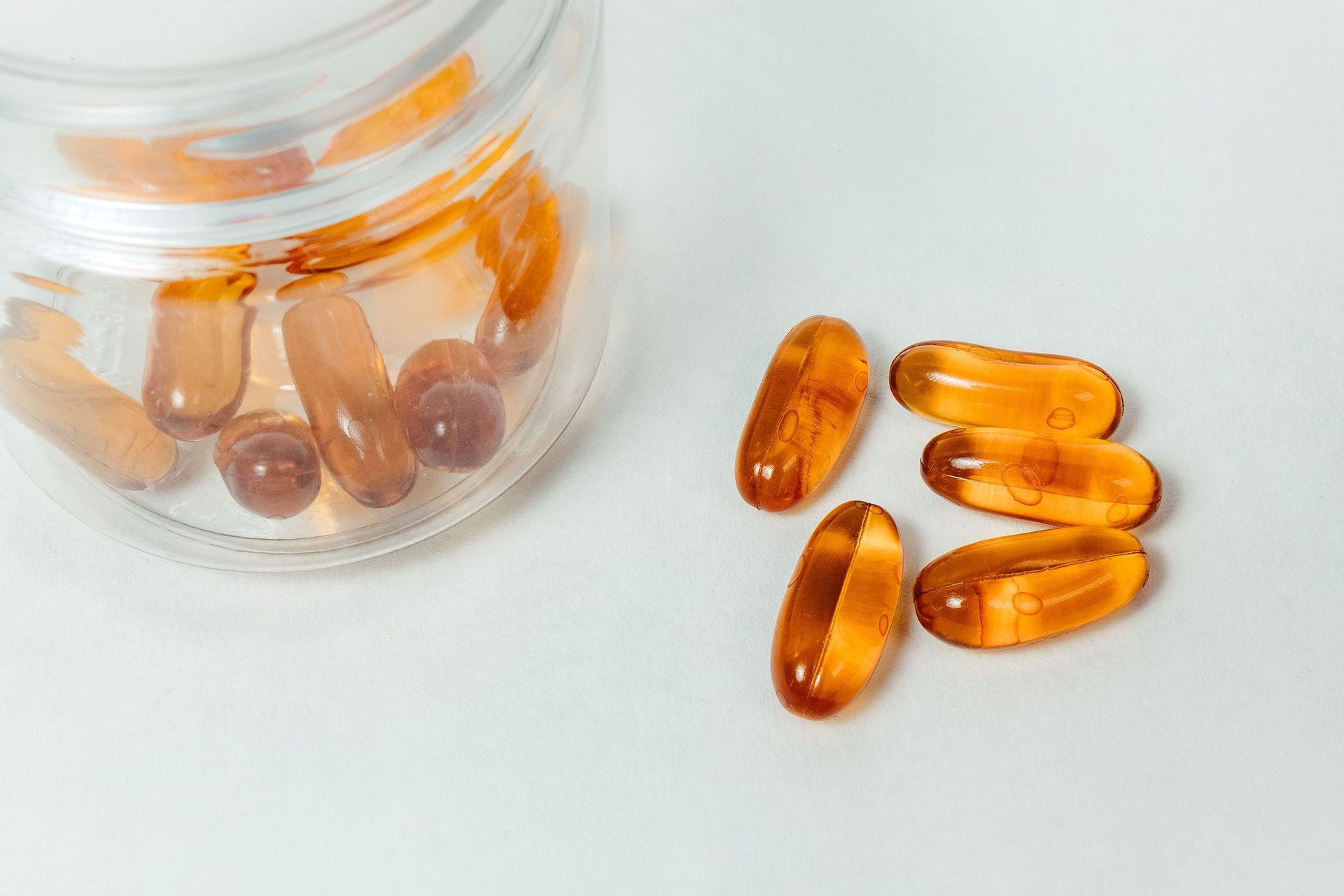
So far there have been no negative effects on visual function from the substitution. Gildeuretinol is a pill that is taken orally and is found to slow the growth of atrophic retinal lesions by 21.6% compared to untreated. (Read more here)
These are exciting results for Stargardt’s patients, who have had few convincing treatment options.
Very interestingly, the toxic form of vitamin A is also being implicated in age-related macular degeneration. It would be great if the same drug could also help slow macular degeneration which is the leading cause of vision loss in the over 50 crowd.
Keeping you posted,
The good doctor