Wow! Is that shirt bright!
Blog vol 6.52. Wow! Is that shirt bright!
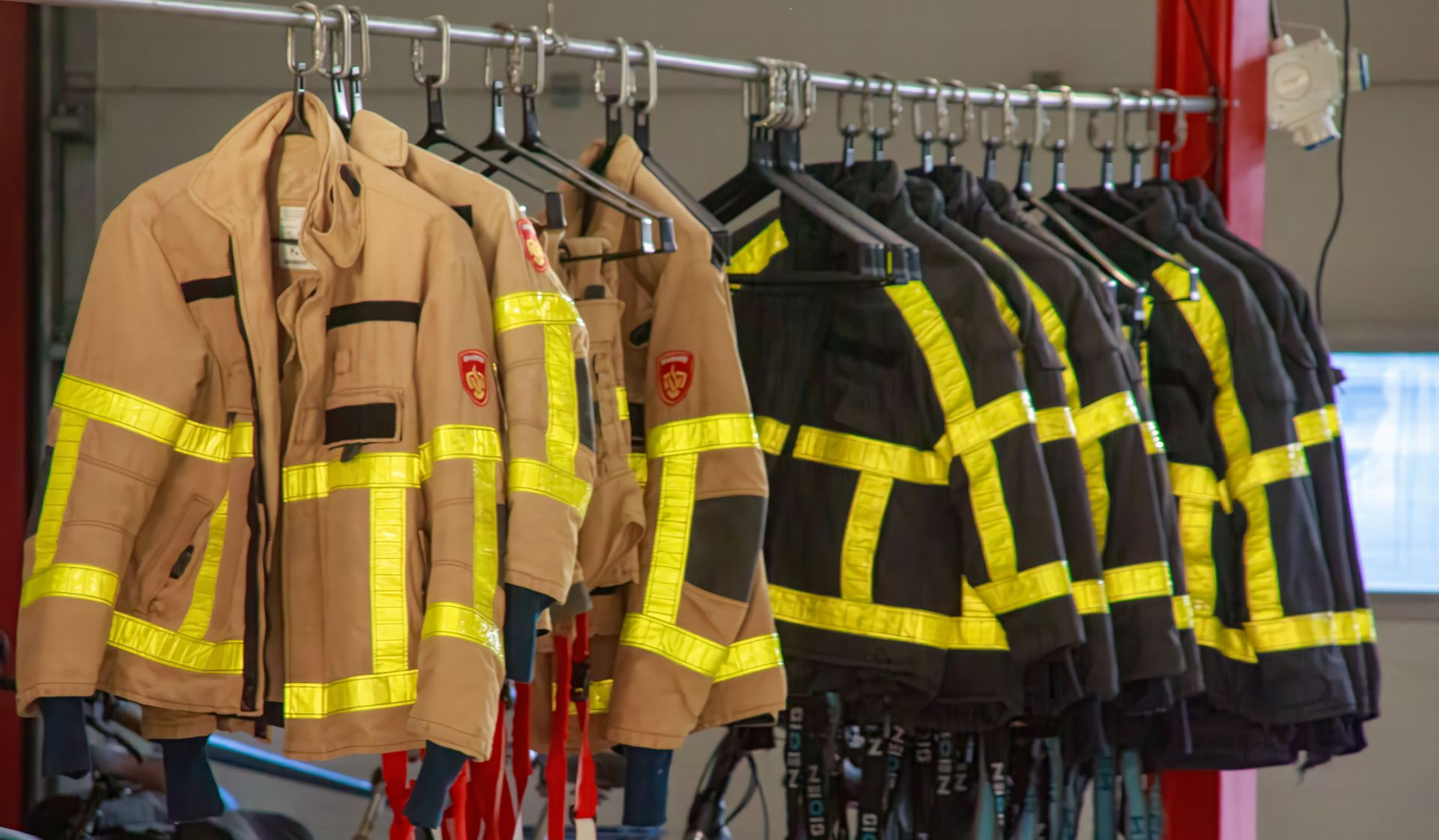
My son wears a shirt for his summer job which actually glows. It is quite striking even in the laundry pile. What makes this material so bright?
No batteries involved. The shirt material comes in three bright colours: orange, pink, and yellow green (my son’s colour). The brightness is for safety, making the worker highly visible to drivers of vehicles or equipment. These bright colours are made of material that enhances visibility in natural daylight as well as in low-light conditions. Clothes designed for safety are usually bright colours for daytime visibility and have reflective strips for nighttime visibility.
Who wears these safety clothes?
1. Road construction crews
2. Utility workers
3. School crossing guards
4. Survey crews in suburban areas
5. Maintenance crews for landscaping
6. Anyone walking, running, etc. who wants to be seen
7. Dallas Stars hockey players when they play at home — they need all the help they can get
The ultraviolet light present in daylight activates the material. Fluorescence happens when a higher energy photon, ultraviolet in this case, hits the material. The extra energy from the high energy photon causes a shift in the emitted light to a longer wavelength; this is called the Stokes shift.
Optometrists use this shift when examining the cornea for abrasions or infections. We put a drop of fluorescein in the eye, shine cobalt blue light in the eye to excite it, then look through a biomicroscope to detect abnormalities. We also use this same drop with a local anesthetic when doing some types of tonometry which measures eye pressure and is key for glaucoma detection.
The wavelength in my son’s work shirt, the yellow green, is the most visible of the three shirt colours, matching the peak wavelength for human daylight vision at 555 nanometres.
For night-time vision another shift happens: the Purkinje effect. The peak sensitivity moves to 505 nanometres which is in the blue-green colour range. Would a fluorescent material that emits blue green be more visible for night-time workers? Possibly, though the reflective strips are very easily seen and would be hard to improve upon.
So, what makes the shirt really “pop” is the specific wavelength of colour and the properties of the material which allow it to make ultraviolet light visible, causing the shirt to glow in the daytime. It really is a very bright shirt.
Stay safe, all.
Til next week,
The good doctor