Soccer Ball Impact to the Eye
Blog vol 6.48. Soccer Ball Impact to the Eye
For the next 5 weeks the eyes of the world are on North America as we host the biggest sports tournament in the world, the FIFA Men’s World Cup, culminating in the final game on July 19th.
Football (or as we North Americans call it, soccer) is played globally by as many as 250 million people, with as many as 128,00 professional players in countless leagues worldwide. The appeal is simple; all you need is a ball of some sort and two teams to compete, and that can be anywhere. While on a trip to Mexico, I had a pickup game with kids on a narrow street in the small town of Aguascalientes, with just a little rubber inflatable ball and bunch of enthusiastic kids. Our own kids do the same thing: take the ball out and kick it around. Easy.
Eye injuries can happen anywhere, anytime. Playing sports does increase risk.
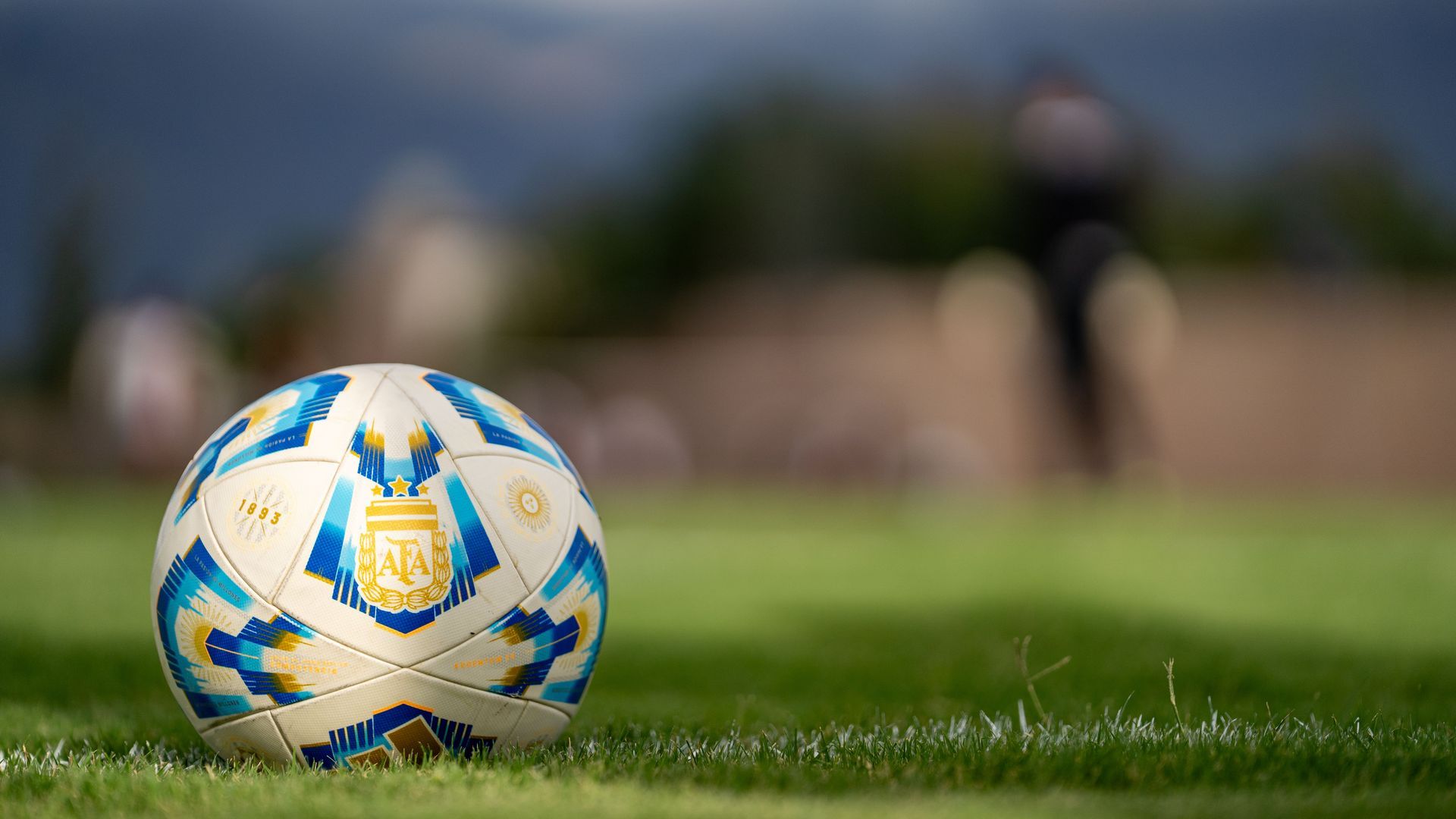
Across Europe, soccer ball impact is the single most common cause of sports-related ocular injuries. This is because so many people play the game and also because you can use your head, deliberately or inadvertently, to move the ball.
In professional football, the ball can travel at speeds of up to 200 km/h and can pack an impact of 3500 Newtons (unit of moving a mass of 1 kg at a rate of 1 m/second squared). That is a lot of energy to the head which can result in concussions and blunt trauma to the eye.
Non-professionals are not playing at the same levels of intensity. Studies show that by reducing the inflated pressure of the ball, the amount of energy transfer to the eye is reduced significantly. Lower speeds, less inflated balls lead to much less risk of serious eye injury, though a check-up with your optometrist after eye impact is an excellent preventative.
With smaller objects like golf balls or squash balls, the impact on the eye is direct, as the ball fits into the eye socket that the bones create causing devastating damage to all tissues, front to back. Soccer balls are much larger and contact time on the eye during impact is longer (2.5 to 10 times longer). This extra energy transfer can cause damage even though it is spread over a larger surface. Because of the nature of the impact, the deeper layers of the eye, the retina and choroid, are affected. The blunt trauma will cause whitening and even opacification of the neuroretina (commotio retinae). There can also be a vitreous detachment, vitreous hemorrhages, and retinal tears, and because of the upward trajectory of the ball, the damage generally happens to the upper parts of the retina, which can lead to more devastating losses.
All this means that if you get hit with a soccer ball in the eye, however fast it is going, come in right away for testing. Timely intervention is critical.
Enjoy the footie. Go, Canada!!!
The good doctor