Glaucoma — A new treatment for extreme cases
Blog vol 7.1. Glaucoma — A new treatment for extreme cases
This is the first blog of the seventh season of the “Good Doctor”. It all started when I had a bit of time on my hands during Covid, April 2020. The topics are all eye related in some way: the science of light, the wonders of the eye, weird and wacky eyes in nature, new developments in treatments and technologies…
Which takes us to today’s topic: Glaucoma
Glaucoma is an eye disease that damages the eye’s optic nerve and is the leading cause of blindness for people over 60 years old. It is all about the pressure in the eye, hence the air puff machine.
The eye has its own circulation inside that flows around all the interior structures of the front of the eye. The ciliary body which is located behind the iris (the coloured part of the eye) produces aqueous humor (the fluid in the eye) that flows around the lens and the iris and into the anterior chamber (the main part of the eye). This fluid then exits through the “drainage angle”, located where the iris and cornea meet, and eventually flows out into the venous system.
The pressure in the eye, the intraocular pressure (IOP), resulting from this flow is monitored for glaucoma. If the IOP increases, it places pressure on the sensitive neural structure of the optic nerve at the back of the eye causing irreversible damage, often with no pain or obvious symptoms.
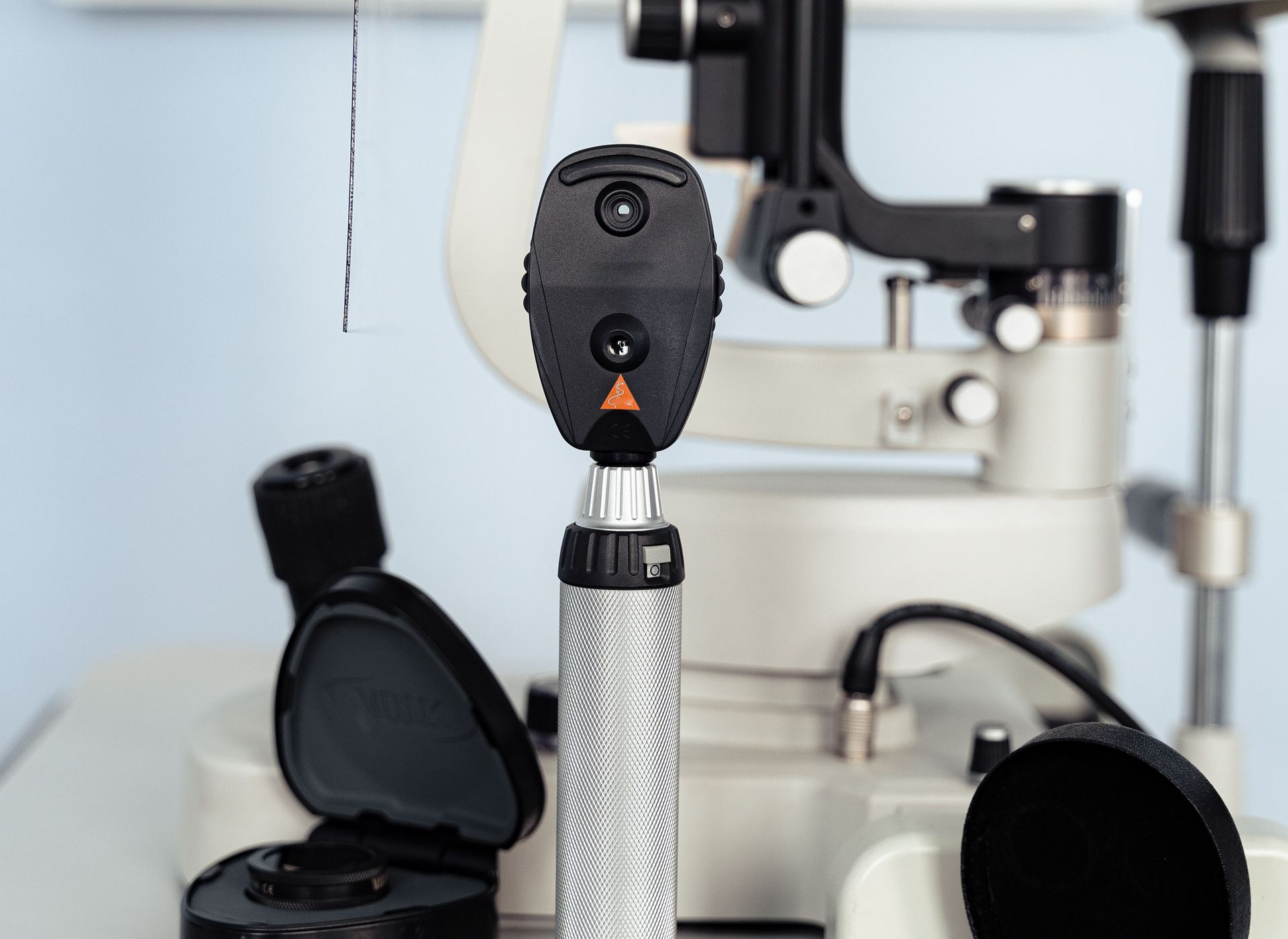
This is why it is so important to have regular eye exams to check for glaucoma. Eye pressure is the key measurement we monitor. We also monitor central corneal thickness, retinal nerve fibre layer thickness, ganglion cell complex thickness, threshold visual field testing, and drainage angle width, all factors associated with glaucoma.
A shout out to all the ophthalmologists and optometrists dedicated to the treatment and management of glaucoma. It is a thankless task. You are constantly vigilant in detecting the disease, which is not so easy, and when you start treating, you face a constant battle to contain it. It is like the little boy at the dike holding back the water with his finger.
Maybe not as dramatic as that image, but I do think that few eye specialists enter this field because it is not “sexy” and you do have people go blind on your watch no matter how well you manage the case. This past week, I saw a patient who has had uncontrolled pressures for some time, with all sorts of medicinal interventions not working and finally resorting to a third surgical solution. Fortunately, the patient still had some vision after all the intervention and the long-term high pressure in the eye, and the surgeons after two earlier procedures, persisted in trying a third.
The third, and hopefully the final treatment, was a relatively new microshunt called Preserflo. It has been working so far, with the patient off their glaucoma drops and maintaining healthy pressures. Since I deal with Low Vision patients, I see a lot of diseases and treatments that a regular optometrist would not usually see, very interesting. The Preserflo procedure is not for everybody, but it is working on this patient, so far.
Basically, the surgeon has to find a way to get the aqueous humor through the drainage angle into the venous system with reduced resistance. With Preserflo, the surgeon uses a recognized polymer (used in thousands of patients for stents in the heart) shaped into an 8.5 mm tube which is inserted into the drainage angle. The key is to keep the IOP at just the right level. It is possible to drain too much and cause too low pressure in the eye, which can be disastrous. The opposite can also occur, where drainage is not enough and the patient is at risk for vision loss.
Now this patient is finally stable and still able to see, we monitor, checking all those measurements mentioned earlier and hoping for stability and we work to optimize the remaining vision.
Do come in for regular eye exams especially if there is glaucoma in your family. If caught early, it can often be managed with little to no vision loss. There are no noticeable symptoms to early glaucoma. You need an eye exam.
See you soon!
The good doctor