Coming full circle

Blog vol 3. 19 Coming full circle.


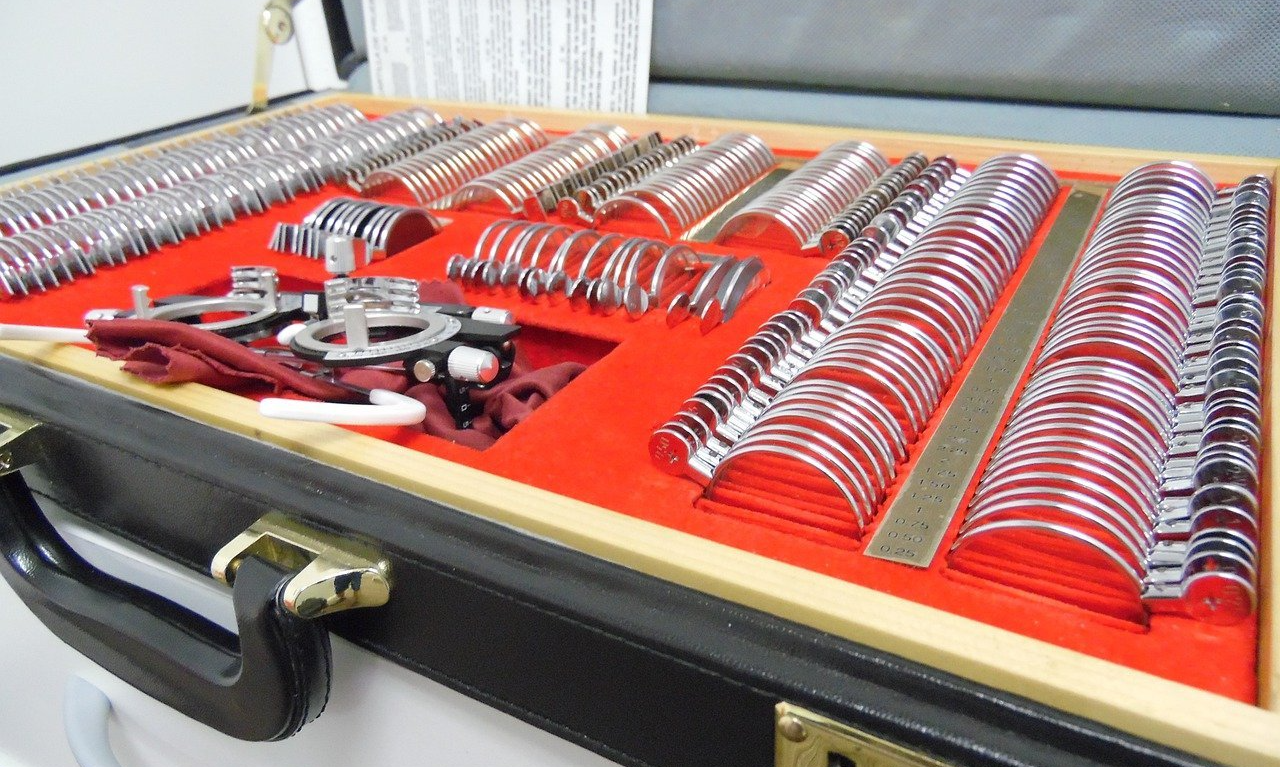
In 1991 I completed my one-year residency in Low Vision at the University of Waterloo. During the nineties, I would carry my mobile equipment into various long-term care homes and provide much-needed care to those who could not get out for an eye exam. I travelled to homes in Hamilton, Stoney Creek, Ancaster, Brantford, Kitchener, Cambridge, Waterloo, New Hamburg, Paris, and Simcoe. I also worked at the Low Vision Clinic at the CNIBs in Hamilton, Mississauga, and Brantford. It was very rewarding work. 


Working out of my trunk and using my home office as a base, I could provide services to an often overlooked population. I can tell you that I did not grow rich financially but I definitely grew rich in experience and compassion. 


I had hoped to also provide Low Vision Care to the people in the long-term care homes. Research showed high levels of visual impairment in these homes. No doubt it was there, and there were some people who could be really helped, but on the whole, these people had so many other concerns that visual impairment was level 6 on Maslow’s Hierarchy of Needs (not very pressing).  Somewhat discouraging for my young, idealistic self.


After my first year, I noticed close to a 30% attrition in some of the homes I visited, either from death or from transfer. That was also very depressing.  It was also hard to deal with the high level of medication, especially in the area of antipsychotics among the residents in these facilities. I had a lot to learn. 


There were highlights, meeting people who were born in the 1880s that flew with the Wright brothers or flew biplanes in the First World War. Or people that saw the advent of the telephone, or electricity, or cars and tractors. I even had one couple who had been married at the age of 20 and were celebrating their 80th year together. Remarkable.   And such a pleasure.


The staff and workers in these homes were wonderful, caring, and dedicated, doing the best they could with the resources they had. 


Even before optometrists in Ontario could prescribe medications for their patients, the needs in these homes required that I recommend antibiotics or anti-glaucoma medications with the house doctor signing off.   Needless to say, a great learning experience both professionally and personally. I got to know a number of the residents on a personal level, and they were a great encouragement.


On a full-time basis, this work was physically, emotionally, and mentally demanding so I balanced the work with doing “normal” eye exams with Skinners Optical and an ophthalmologist in Dundas. I got my license to practice in Missouri, took the family to St. Louis to do my Masters, and then returned in 2002 to take on Dr. Watson’s practice in Burlington.   


Twenty years later…


I provide lots of regular everyday eye care.  I still do provide Low Vision Care and still do visit shut-ins in their homes.  Today I embark on a new phase, a regularly scheduled clinic in a long-term care home.  Our current optometry intern will be accompanying me. This is very satisfying and a good thing, a really good thing.


This Covid experience has reinforced what I have learned from all my years of practice, I am here to provide eye care and a human touch to the people of Ontario, in spite of hurdles and circumstances. 


We will continue to give a helping hand to those who need it.   As Gregory Porter so aptly sings, “There will be No Love Dying”.   


Til next week,


the good doctor


By Dr. Mark Germain May 1, 2026
The good doctor discusses how the eye is a window to the heart with the help of the OCT.
The good doctor take a deeper look at how gut health is connected to eye tissues.
By Dr. Mark Germain April 29, 2026
Blog vol 6.40. The Gut and the Eyes. One of my biggest jobs is to keep abreast of new research and advances in eye health. Most recently, we have seen new stem cell research, gene therapies, as well as new drugs for dry and wet macular degeneration. In January of this year, there was an article in the journal, Cell Death and Disease, that looked at cell apoptosis, specifically with the photoreceptors of the eye. (Read the article here ). Apoptosis is the genetic programming of deliberate and constructive cell death, allowing for the maintenance of healthy structures and systems in the body. Some estimates have the body replacing 50 to 70 billion cells daily by this process. Necrosis, on the other hand, is unplanned cell death caused by injury, toxins, or other negative outside factors; this causes inflammation and disrupts the body’s balance of things. There are stressors that speed up cell turnover. The study looked at photoreceptors in the retina and were able to demonstrate cellular recovery, even in late stages of apoptosis, recovery not breakdown. When certain stressors were reduced, by working with the mitochondria, there was recovery of the photoreceptor cells. How? Mitophagy, the mitochondria’s own process of programmed breaking down and then repurposing the recycled components for new ones. This mitochondrial repair helps to reverse the sequence of apoptosis for the photoreceptors. Mitochondria, how cool. How is this helpful for our eyes? Conditions like retinitis pigmentosa or macular degeneration directly involve the photoreceptors and may be slowed or reversed by helping the mitochondria. So, let’s take care of those mitochondria. There is some evidence for nutritional support for the mitochondrial system. The nutrient, Urolithin A (UA), which is a compound made in our gut from fiber found in pomegranates, berries, and nuts is the only clinically proven substance known to trigger mitophagy, made in the gut no less. Vitamin B3 is critical for mitochondria function, however vitamin B3 based supplements are still to be clinically tested for their support of cell recovery. Nutrients Coenzyme Q10 and L-carnitine are known to help the mitochondria generate energy, and interestingly, infrared light therapy has also been shown to benefit mitochondrial function. Again, food for thought. The gut and its function needs a lot of research. How do probiotics and nutrient precursors affect eye tissues? It is so interesting that the gut can be a factor in eye health. Maybe adding Urolithin A as a supplement is wise, along with the antioxidants in Lutein and Zeaxanthin we use to combat photoreceptor degeneration. Will keep you posted on any new developments.  The good doctor
By Dr. Mark Germain April 16, 2026
The good doctor focuses in on visual processing. Why do we miss things that are right in front of our eyes?
By Dr. Mark Germain April 10, 2026
The good doctor discusses the Artemis II mission, space travels affects on the eyes, and "the dark side of the moon"
By Dr. Mark Germain April 3, 2026
The good doctor discusses exciting new and emerging options to treat nystagmus.
By Dr. Mark Germain March 27, 2026
The good doctor reflects on The Country of the Blind, a book by Andrew Leland which gives insight into the experience of vision loss.
More Posts