
the good doctor on: If You Can't Take The Heat
Blog #31

If you can’t take the heat…

How can we be talking about heat when we are entering the coldest months of our year? The problem is the need to socialize with each other and yet keep safe and comfortable during COVID. During the summer, we had an easier time maintaining that 2 m distance because we could be outdoors. We need heat to socialize, thus was the bonfire and outdoor space heater discovered. My family has had a few social-distancing bonfires since the temperatures have dropped, birthday bonfires are a thing. They come with risks, however, your clothes get smoke infested, and if you are not careful, you will damage your eyeglasses.

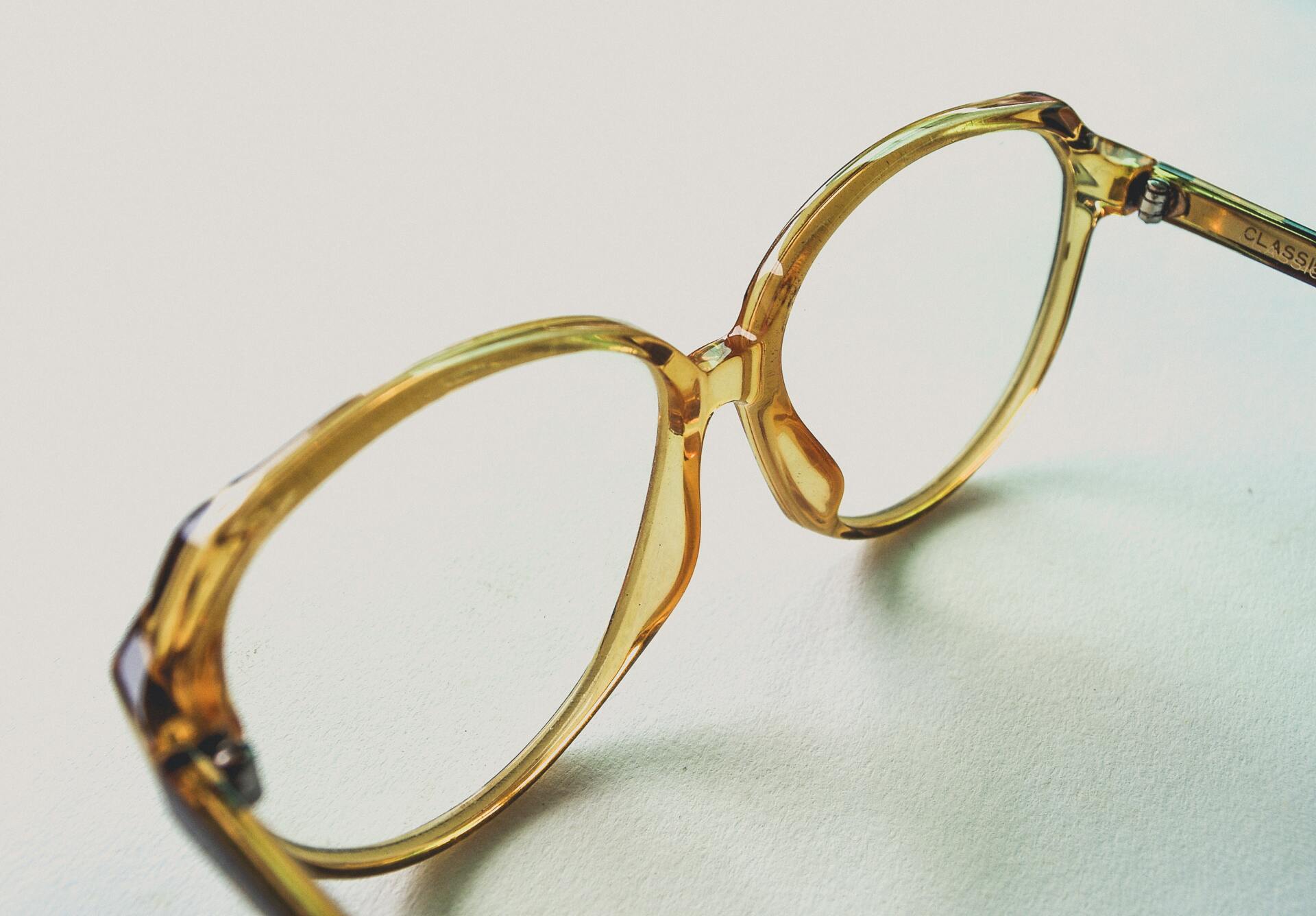
Your spectacles do not tolerate heat very well. A lot of our lenses have very sophisticated antireflection coatings that protect the lenses from minor scratches, and increase light transmission. Problem is, they are sensitive to heat, which causes the coating and the lens to expand at different rates. This expansion can cause the coating to craze or peel off. Unfortunately, there is no way to fix this once it has happened.

Last weekend, there must have been a few bonfires going because we got a number of calls about damaged lenses. Even premium coatings, like Nikon’s Seecoat cannot withstand extreme heat. I speak from experience; several years ago I was burning brush on our property and must have gotten my face too close to the fire, because later I could not see clearly out of my glasses. It took me a while to figure out why (you already know): my Nikon coatings had frosted over, along with a pair of singed eyebrows, definitely too close.

Heat in your car is also a problem. Most new cars have a glasses holder in the roof that pops open to store your glasses. No one asked an optometrist or optician about this design. Never put your glasses in these holders as a car can get into the 200 degree Celsius range on a hot summer day. This will spell disaster for your lenses and coatings and for your polarized sunglasses. If you have to, put them in your glove compartment or better yet take them inside with you.

Enjoy your outdoor socializing around those fires, but keep your spectacle distance from its inviting flames.


Until next week,


The Good Doctor, Dr. Mark Germain, Burlington Optometrist
The good doctor take a deeper look at how gut health is connected to eye tissues.
By Dr. Mark Germain April 29, 2026
Blog vol 6.40. The Gut and the Eyes. One of my biggest jobs is to keep abreast of new research and advances in eye health. Most recently, we have seen new stem cell research, gene therapies, as well as new drugs for dry and wet macular degeneration. In January of this year, there was an article in the journal, Cell Death and Disease, that looked at cell apoptosis, specifically with the photoreceptors of the eye. (Read the article here ). Apoptosis is the genetic programming of deliberate and constructive cell death, allowing for the maintenance of healthy structures and systems in the body. Some estimates have the body replacing 50 to 70 billion cells daily by this process. Necrosis, on the other hand, is unplanned cell death caused by injury, toxins, or other negative outside factors; this causes inflammation and disrupts the body’s balance of things. There are stressors that speed up cell turnover. The study looked at photoreceptors in the retina and were able to demonstrate cellular recovery, even in late stages of apoptosis, recovery not breakdown. When certain stressors were reduced, by working with the mitochondria, there was recovery of the photoreceptor cells. How? Mitophagy, the mitochondria’s own process of programmed breaking down and then repurposing the recycled components for new ones. This mitochondrial repair helps to reverse the sequence of apoptosis for the photoreceptors. Mitochondria, how cool. How is this helpful for our eyes? Conditions like retinitis pigmentosa or macular degeneration directly involve the photoreceptors and may be slowed or reversed by helping the mitochondria. So, let’s take care of those mitochondria. There is some evidence for nutritional support for the mitochondrial system. The nutrient, Urolithin A (UA), which is a compound made in our gut from fiber found in pomegranates, berries, and nuts is the only clinically proven substance known to trigger mitophagy, made in the gut no less. Vitamin B3 is critical for mitochondria function, however vitamin B3 based supplements are still to be clinically tested for their support of cell recovery. Nutrients Coenzyme Q10 and L-carnitine are known to help the mitochondria generate energy, and interestingly, infrared light therapy has also been shown to benefit mitochondrial function. Again, food for thought. The gut and its function needs a lot of research. How do probiotics and nutrient precursors affect eye tissues? It is so interesting that the gut can be a factor in eye health. Maybe adding Urolithin A as a supplement is wise, along with the antioxidants in Lutein and Zeaxanthin we use to combat photoreceptor degeneration. Will keep you posted on any new developments.  The good doctor
By Dr. Mark Germain April 16, 2026
The good doctor focuses in on visual processing. Why do we miss things that are right in front of our eyes?
By Dr. Mark Germain April 10, 2026
The good doctor discusses the Artemis II mission, space travels affects on the eyes, and "the dark side of the moon"
By Dr. Mark Germain April 3, 2026
The good doctor discusses exciting new and emerging options to treat nystagmus.
By Dr. Mark Germain March 27, 2026
The good doctor reflects on The Country of the Blind, a book by Andrew Leland which gives insight into the experience of vision loss.
By Dr. Mark Germain March 19, 2026
This week's blog focuses on the newest version of the Neurolens - a lens with technology that can provide relief for headaches, neck pain, and eye strain caused by trigeminal dysphoria.
More Posts