Bolivian Eyecare.

Blog vol 6.33. Bolivian Eyecare.
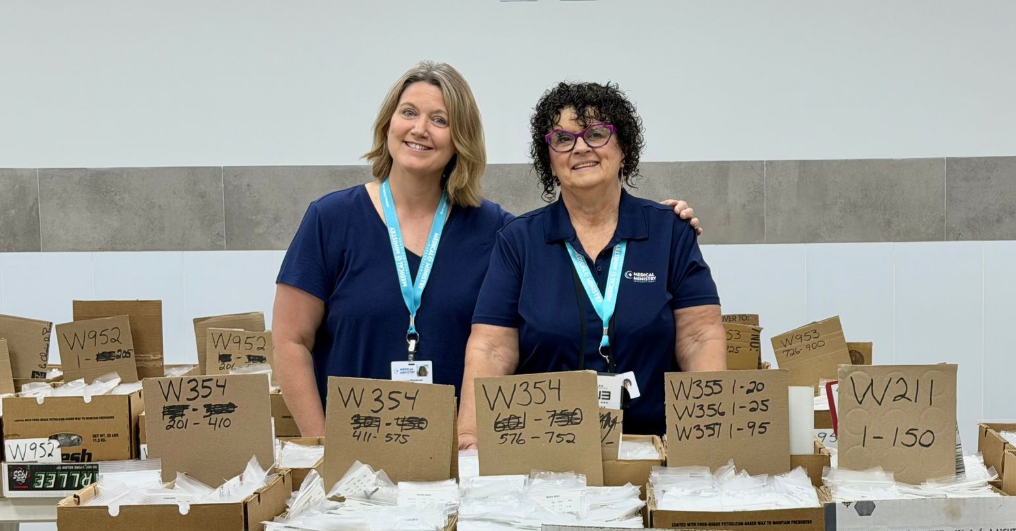
When referring to Burlington Eyecare we use the acronym BEC, but in the past 10 days BEC has taken on a new meaning. Our office manager, Karen, who speaks Spanish, went on a two-week eye mission to Bolivia with a team representing Medical Missions International (MMI). This team includes surgeons, nurses, optometrists, opticians, and help, ideally with some experience and some Spanish.
This is her “vacation”; a change is as good as a rest?!
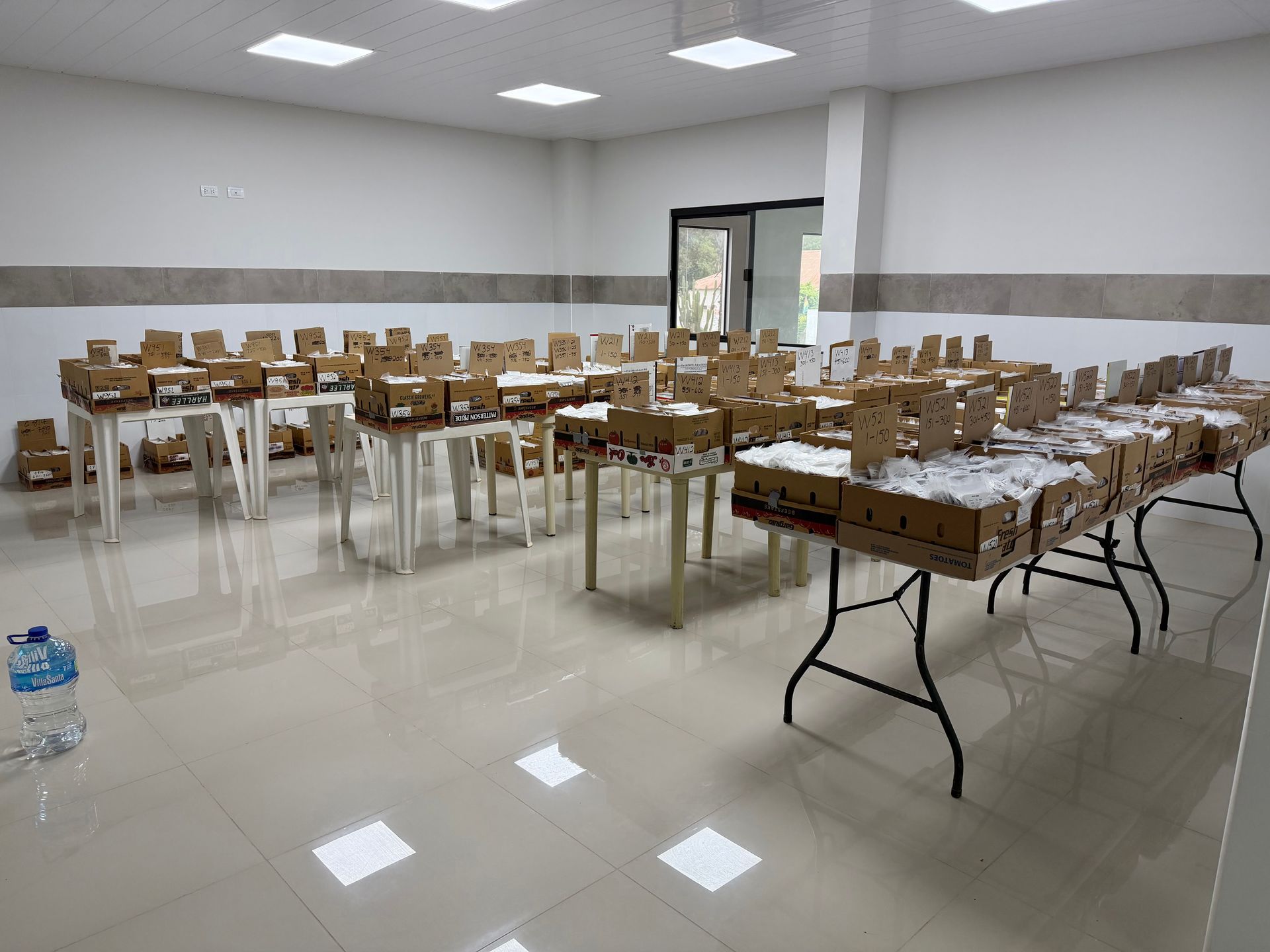
The team set up clinic in a brand-new hospital, which means sparkling clean, in the town of Samaipata, which is in the hill country at an elevation of 1700 metres, 120 km south- west of Santa Cruz. It is a regular getaway for Bolivia’s largest city. The name Samaipata comes from the native Quechua and means “elevated place of rest”. This is mostly an agricultural region with fresh fruits and vegetables and wineries, and it is also home to many artisans, with outdoor markets to sell their wares.
This eye mission is co-ordinated with the Province of Florida (the name of the Bolivian province Samaipata is in) and Medical Missions International (MMI). MMI is the same group that operates the Amazon hospital boat we at Burlington Eyecare have supported over the years. The team currently in Bolivia has 50 North Americans and 20 locals and they are running the clinic for two weeks. Karen helps with translation and works in the dispensary, matching glasses for the prescriptions that are produced by the doctors. This is where donated glasses go.

In the first week they saw 1316 patients, did 105 surgeries, dispensed 1029 pairs of prescription glasses, readers, or sunglasses. The numbers are even higher in the second week, so they will be more than double by week’s end. Wow.
A lot goes into such a work: arranging the clinic and facilities through local helpers and officials, bringing surgical supplies, eyedrops, and sorted and rejuvenated glasses. Then there is the setting up into clean but empty rooms, and then the triaging, weaving the many people through the clinic, with language barriers — Spanish and Quechua. Long days and always a lineup to start the day. In my experience, a line that can be up to 3 days long. The needs are huge.

In her texting, Karen really enjoyed the interaction with people in the marketplace, they are so grateful and hospitable. All the team volunteer, pay to get down there, and help with the financial needs of the work. The great discovery when you work on these missions is how much you receive. Not some cliché, it really happens, the people are so gracious and we have so much to learn from them, you come away humbled, changed.
I like to think that the BEC in Burlington works on the same principle. We really want to thank our patients, and we are truly honoured to be able to help the people of Burlington and its surrounds.
Til next week,
The good doctor