The Sun’s UV, a Good Thing?
Blog vol 6.14. The Sun’s UV, a Good Thing?
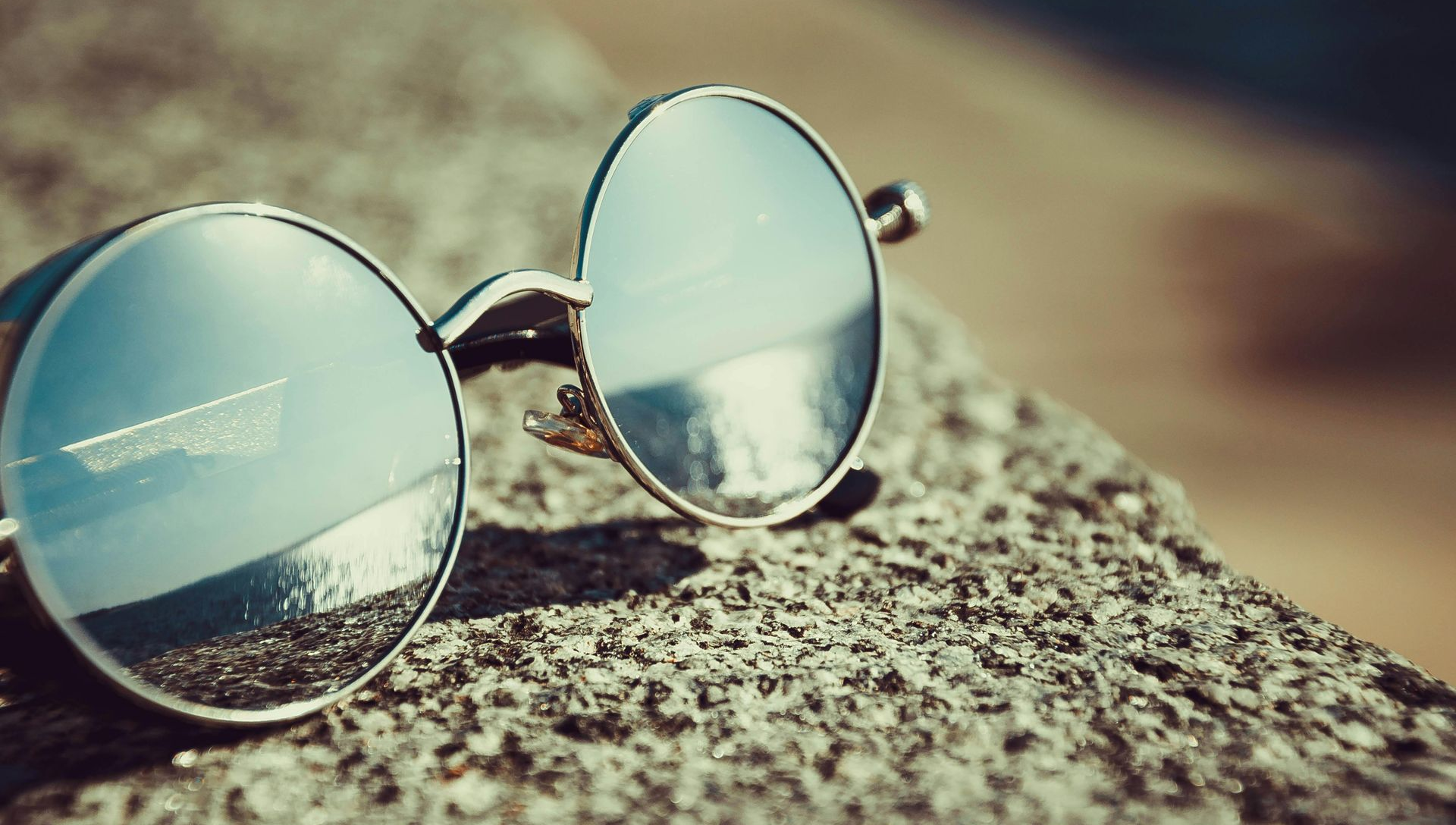
On many occasions, I have written on protecting your eyes from ultraviolet light. I call it wearing sunblock for the eyes. Still true and very necessary, UV filters in your glasses protect the front and back of the eye and also the lids and adjoining tissues.
However, in the latest issue of The Economist, in the Science & Technology section (which I turn to first when I take it on), they had an article on the benefits of UV light (Read here). It does make one ponder. I have been going around the sun long enough to know that ideas and policies swing like a pendulum. In teaching reading, we first had phonetics, then it was whole language, and then back to phonetics… The most sensible approach would be to balance the two. Balance, an interesting concept.
We have been told for a long time that UV is bad, to be avoided at all costs (well almost). We know that it causes skin cancers and ages the skin prematurely.
We also know that we need UV for our bodies to make vitamin D, which helps with bone formation and helps prevent osteoporosis. Vitamin D improves heart health and also reduces the risk of MS and cancer. So, stay away from nasty UV and load up on Vitamin D supplements. The problem is that these supplements don’t entirely do what the sun’s UV does.
UV is beneficial to the body. As early as 2009, German researchers were showing that UV converts chemicals in the skin into nitrous oxide. This substance, known as laughing gas, is used as an anesthetic, an oxidizing agent, or as a fuel additive in high performance vehicles. This UV-produced nitrous oxide in the skin acts as a signalling molecule that helps to relax blood vessels and lower blood pressure. Whole skin exposure to UV causes a substantial drop in blood pressure. Further research has found that the further from the equator, the higher the blood pressure; seasonal changes which vary UV exposure also create the same pattern. Winter has higher blood pressure and summer has lower blood pressure. Does UV play a physical role in seasonal affective disorder? Probably.
Outdoor light slows myopia development in children, too. Is this because of being outdoors? The physical exertion? The use of distance vision? Or is it the UV? A combination of the above? Interesting.
One further advantage from UV exposure is the benefit to the immune system. Current research is showing that even when you take into account the significant increase in skin cancers from UV, the immune system (which in this case is unrelated to Vitamin D) is boosted by UV and enables the body to fight other cancers, to the point that UV exposure reduces your overall cancer risk considerably.
Is the pendulum swinging back to the benefits of UV? Definitely, a time for a rethink. As with the reading wars, we need to be balanced. Please still use UV blockers in your eyewear to protect very sensitive eye tissues. Do not throw out your SPF creams, but use them judiciously. We need to be reminded that the sun is our friend and that there is nothing wrong in getting some R &R at the beach or on the ski slope.
Getting outside for a walk every day is a great place to start.
‘til next week,
The good doctor