Lyme Disease II

Blog vol 4. 2. Lyme Disease II


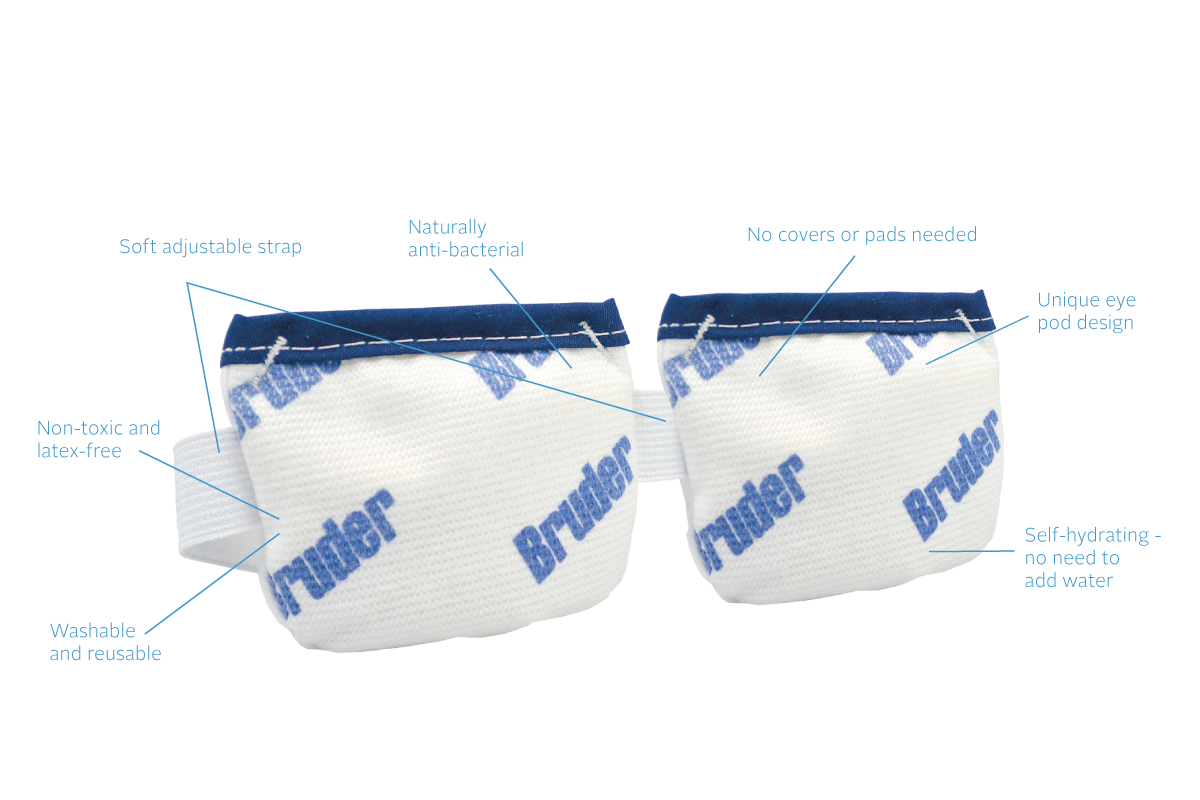
I feel like I am Harold Crick (Will Ferrell) in the movie Stranger than Fiction. The only difference is that instead of Karen Eiffel (Emma Thompson) doing the writing, it is me. Let me explain. Three weeks ago, I wrote about pink eye, and guess what? I got it real bad the next week. Then last week I wrote on deer ticks and Lyme Disease, and guess what... this past week we had two separate incidences of deer ticks in our house, though this time I’m not personally (bodily) involved, and no Lyme disease thankfully.


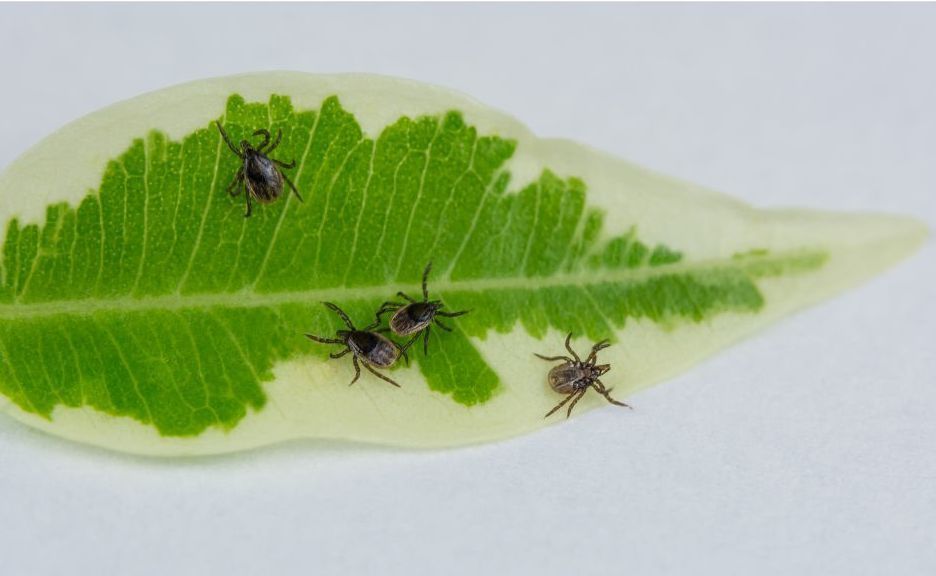
No doubt these topics are very relevant. On Saturday my grandson was changing into his pyjamas after dinner at the grandparents’ house. He noticed a black spot on his chest, a tick. We carefully removed it with tweezers and cleaned the site with rubbing alcohol (he was very brave). We have seen ticks before, usually dog ticks, but under the microscope this was a female adult deer tick. Unless you do regular tick checks, hard to tell how long this creature was embedded, and timing is important. So off he goes to his family doctor for a round of antibiotics.


This morning, round two, my daughter was doing her morning routine, and a black spot on her ankle, this time it was not the adult female but the much smaller nymph, about 1/3 of the adult’s size (poppy seed size). I removed it with tweezers and cleaned the site. This is where it gets disturbing, that nymph could be infectious, the problem is that it is a lot smaller and can easily go undetected. The nymph can infect within the 36-48 hour window, like the adult. Question remains- how long was that creature there? Regular checks are a great help. With my daughter, she knew that she was exposed for about 16 hours, so very little chance of infection. 


REGULAR TICK CHECKS ARE A MUST. These two incidences were from completely different areas, ticks are out there. Lyme disease can be prevented. The tick needs to be infectious and attached for 36-48 hours, plenty of time to find it and remove it. If you have found a tick and are not sure about the timing see your GP for consultation. Take a real good look, those nymphs are small. 


There is a spray called 0.5% permethrin that you can treat your clothes with and there are even clothes you can buy that are pretreated, but do not rely on these things, a quick check is the only really reliable prevention. (See here for preventative measures)


I need to be careful about that next blog topic….  


‘til next week,


the good doctor                                         


By Dr. Mark Germain May 1, 2026
The good doctor discusses how the eye is a window to the heart with the help of the OCT.
The good doctor take a deeper look at how gut health is connected to eye tissues.
By Dr. Mark Germain April 29, 2026
Blog vol 6.40. The Gut and the Eyes. One of my biggest jobs is to keep abreast of new research and advances in eye health. Most recently, we have seen new stem cell research, gene therapies, as well as new drugs for dry and wet macular degeneration. In January of this year, there was an article in the journal, Cell Death and Disease, that looked at cell apoptosis, specifically with the photoreceptors of the eye. (Read the article here ). Apoptosis is the genetic programming of deliberate and constructive cell death, allowing for the maintenance of healthy structures and systems in the body. Some estimates have the body replacing 50 to 70 billion cells daily by this process. Necrosis, on the other hand, is unplanned cell death caused by injury, toxins, or other negative outside factors; this causes inflammation and disrupts the body’s balance of things. There are stressors that speed up cell turnover. The study looked at photoreceptors in the retina and were able to demonstrate cellular recovery, even in late stages of apoptosis, recovery not breakdown. When certain stressors were reduced, by working with the mitochondria, there was recovery of the photoreceptor cells. How? Mitophagy, the mitochondria’s own process of programmed breaking down and then repurposing the recycled components for new ones. This mitochondrial repair helps to reverse the sequence of apoptosis for the photoreceptors. Mitochondria, how cool. How is this helpful for our eyes? Conditions like retinitis pigmentosa or macular degeneration directly involve the photoreceptors and may be slowed or reversed by helping the mitochondria. So, let’s take care of those mitochondria. There is some evidence for nutritional support for the mitochondrial system. The nutrient, Urolithin A (UA), which is a compound made in our gut from fiber found in pomegranates, berries, and nuts is the only clinically proven substance known to trigger mitophagy, made in the gut no less. Vitamin B3 is critical for mitochondria function, however vitamin B3 based supplements are still to be clinically tested for their support of cell recovery. Nutrients Coenzyme Q10 and L-carnitine are known to help the mitochondria generate energy, and interestingly, infrared light therapy has also been shown to benefit mitochondrial function. Again, food for thought. The gut and its function needs a lot of research. How do probiotics and nutrient precursors affect eye tissues? It is so interesting that the gut can be a factor in eye health. Maybe adding Urolithin A as a supplement is wise, along with the antioxidants in Lutein and Zeaxanthin we use to combat photoreceptor degeneration. Will keep you posted on any new developments.  The good doctor
By Dr. Mark Germain April 16, 2026
The good doctor focuses in on visual processing. Why do we miss things that are right in front of our eyes?
By Dr. Mark Germain April 10, 2026
The good doctor discusses the Artemis II mission, space travels affects on the eyes, and "the dark side of the moon"
By Dr. Mark Germain April 3, 2026
The good doctor discusses exciting new and emerging options to treat nystagmus.
By Dr. Mark Germain March 27, 2026
The good doctor reflects on The Country of the Blind, a book by Andrew Leland which gives insight into the experience of vision loss.
More Posts