A New Treatment for Nystagmus
Blog vol 6.37. A New Treatment for Nystagmus
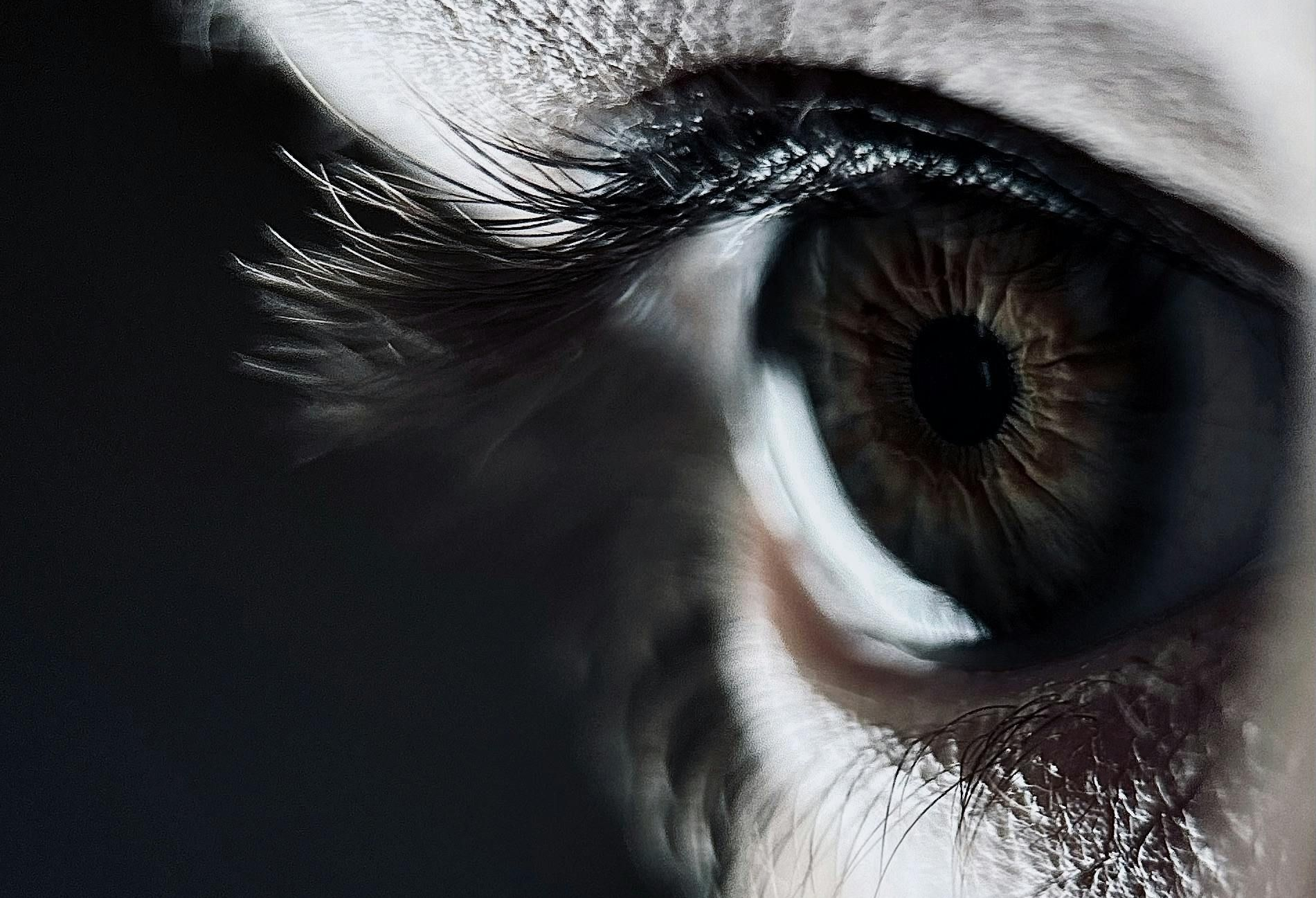
Nystagmus is an oculomotor condition in which the eyes oscillate back and forth. This eye motion occurs naturally when the vestibular system is stimulated to make compensatory eye movements, such as when the head is tossed around. This is the type of eye movement that ballet dancers have to compensate for when they do multiple successive turns on pointe (fouettés, for example). The dancer uses spotting to keep their vestibular system from overreacting. This is called physiologic nystagmus and is normal and healthy.
Pathological nystagmus, on the other hand, is either congenital or acquired by disease. I have examined many patients with pathologic nystagmus over the years. It is usually the result of an abnormal fundus (retina, the layer on the back of the eye), optic nerve hypoplasia (undeveloped), colobomas (areas of missing tissue), scars, or pigment abnormalities. Pathologic nystagmus can also result from anomalies of the skin around or in the eye.
A number of my patients have a genetic condition called albinism, which causes a lack of pigment in the eye and/or the skin. This lack of pigment leads to abnormal development of the eyes and the binocular vision system. The resulting oscillations occur spontaneously without stimulation, varying in size, speed, and direction, causing reduced visual function.
There are degrees of nystagmus; some cases are worse than others. Research shows that image displacement of more than 5 degrees per second results in a decline in visual acuity and oscillopsia (the perception of visual motion). Treatments for eye oscillations include extraocular muscle surgery, botulinum toxin type A (Botox) injections, various drugs, acupuncture, and contact lenses, all with variable success in different forms of nystagmus.
I have had success fitting contact lenses to increase visual function in nystagmus patients. This is a non-invasive treatment which is easily adjustable. A new treatment gaining much traction in China is much more invasive, though the early results are very promising (Read more here). This new treatment works on the neuromuscular mechanism that causes the eye oscillations in the first place. The i-NYS device uses microcurrent stimulation to regulate the movement of the extraocular muscles. This stimulation is delivered by a compact, battery-powered implant surgically placed near the extraocular rectus muscle. The device delivers specific microcurrents calibrated to the particular patient. This allows control of neural firing and stabilization of gaze without suppressing natural eye movements.
The device reduces nystagmus amplitude and frequency over time. It is battery-powered and surgically implanted, which does raise questions in my mind. However, in extreme cases, the improvement in vision and quality of life could well be worth the costs/risks.
Unfortunately, there is a stigma to having oscillating eyes. You are not “normal”. This device could help minimize the social impact for people with nystagmus, another important and hard-to-quantify reality. This is a hopeful development, a different approach, a different way of tackling an old problem.
Til next week,
The good doctor