Artemis II and the Dark Side of the Moon
Blog vol 6.38. Artemis II and the Dark Side of the Moon
Last Wednesday, April 1, 2026, we witnessed the launch of the Artemis II rocket from Cape Canaveral at 18:35 hours. The four-person crew is on a 10-day mission to orbit Earth, travel to and orbit the moon, make detailed observations, and then return to Earth.
Day four was fascinating as NASA live-streamed the observations and conversation between the crew on the rocket and the scientists on the ground in Houston. At hour 2:26:52, Victor Glover spoke of his difficulties observing the moon, then being able to see inside the cabin. He was trying to see the dimly lit display of the Personal Computing Device (PCD). He complained that his eyes had changed slightly since being up in space (Day 4 and 20 hours). He was using reading glasses to view his PCD but found it very taxing on his eyes.
The team at the Johnson Space Center stated that the zero gravity of space travel can affect vision, noting that studies of astronauts returning from the International Space Station show that a shift in body fluid from the feet to the head occurs over time, which could be the cause of Victor’s visual difficulties. The condition is called space-flight-associated neuro-ocular syndrome (SANS). It can produce the “water-hammer effect”, which can cause swelling, resulting in optic disc edema, global flattening, choroidal and retinal folds, hyperopic refractive error shifts, and, even more seriously, focal areas of retinal ischemia, all reversible on return to Earth. What Victor was probably experiencing was fluid buildup, which can be helped by wearing prescription glasses, especially for near vision. Astronaut Glover is 50 years old and possibly experiencing early presbyopia, a natural, age-related reduction in reading ability, making it more difficult for him to compensate.
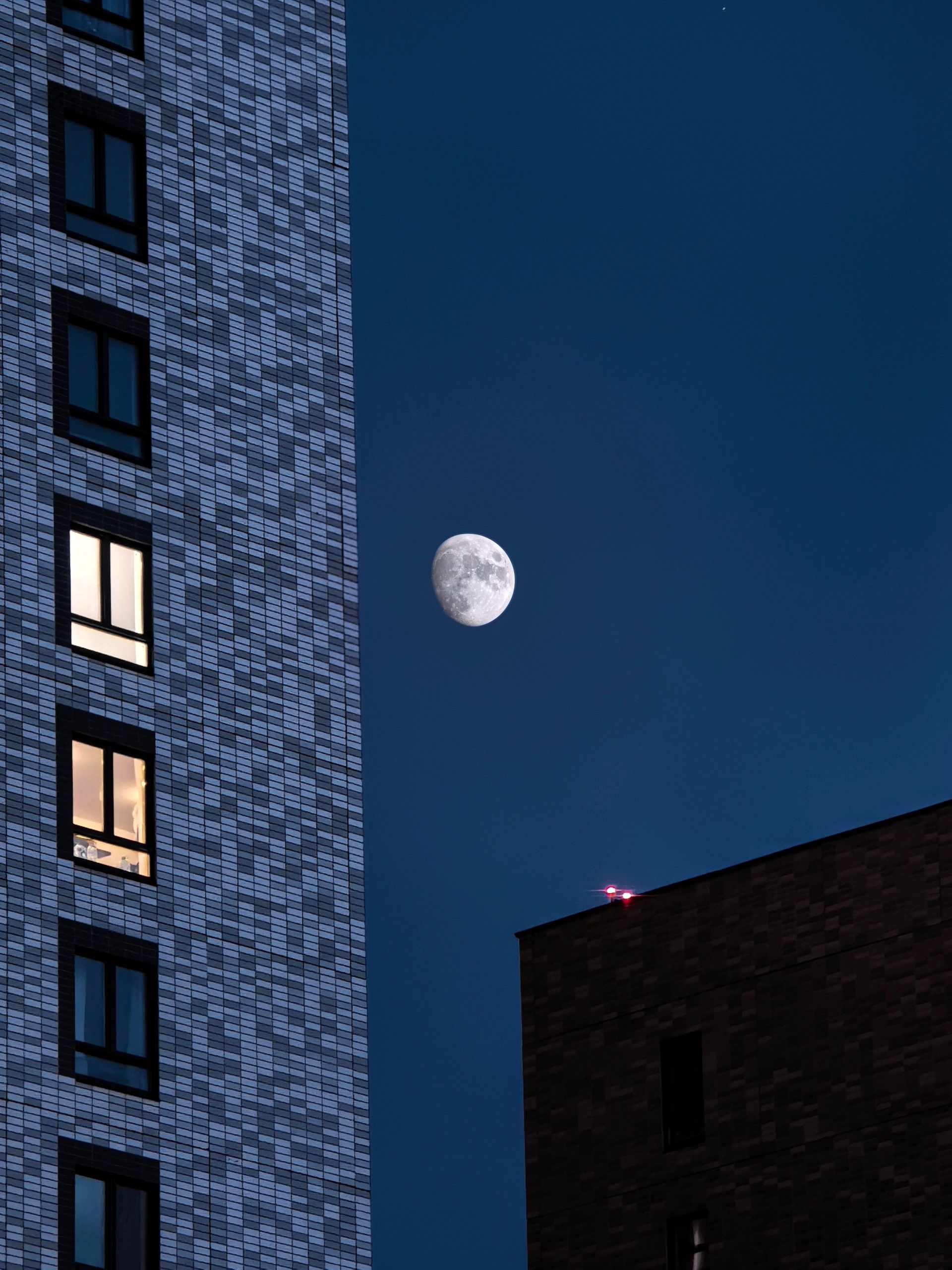
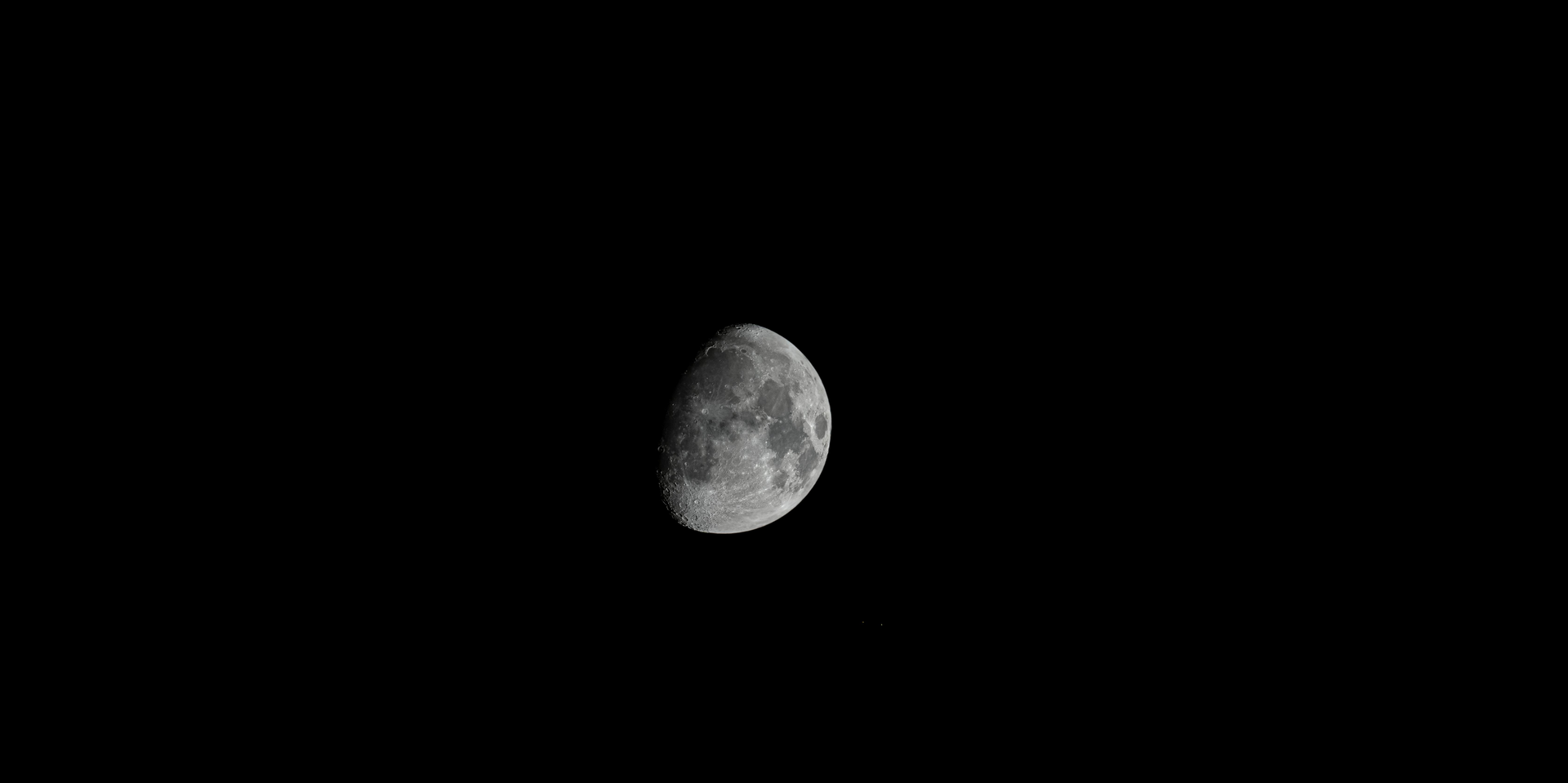
Of great interest is the brightness of the moon, especially the “dark side”. This mission should finally put to rest this misnomer; it is the far side of the moon and certainly not dark. The “far side” still gets light from the sun; we on Earth just do not see it (unless, of course, we send a team of astronauts to observe it or follow a Lunar Reconnaissance Orbiter (LRO), such as NASA’s 17-year-old LRO.) The point is that both sides of the moon are very bright. Furthermore, the moon rotates on its own axis at the same rate at which it orbits the Earth, a fact known for a long time, but still fascinating.
An important goal of the Artemis II mission is to make human observations that interpret and integrate small, detailed observations with the larger picture of the moon. Favourite observations from Artemis II:
“The more I look at the Moon, the browner and browner it looks.”
Victor Glover noted the “magic” seen in the lunar features, calling the illuminated mountains “islands of light”.
They saw impact flashes, bursts of light when tiny meteorites hit the lunar surface.
We cannot negate the human element, seeing these fascinating things with our own eyes.
One sees the moon in a whole new way, so interesting.
Til next week,
The good doctor