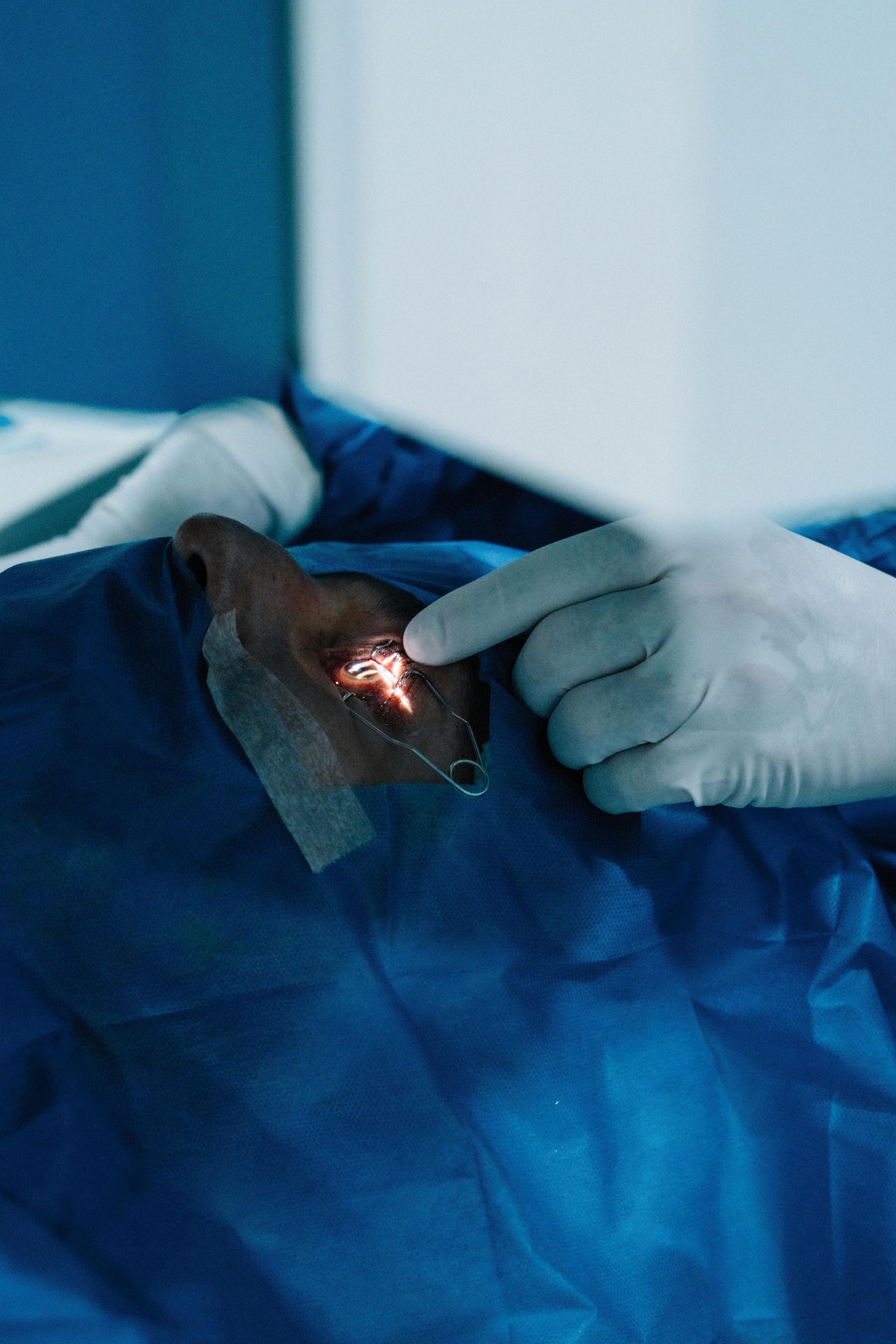
Highlights from a weekend of optometry education.

Blog Vol 7.17. Highlights from a weekend of optometry education.
There is a trend amongst my colleagues to take on-line education in lieu of in person. Time, expense, and preference are all factors. I personally appreciate the dialogue, the networking, and the efficiency of in person (all done in one weekend). The back-and-forth repartee, the sharing of anecdotal information, and the ability to be immersed in courses over a short period boost my learning. Mentoring 4th year interns from the University of Waterloo Optometry program is also a great way to learn, also in person.
The Highlights:
1. Inherited Retinal Diseases like retinitis pigmentosa or Stargardt’s are devastating, partly because symptoms often start in teenagers or young adults. Gene therapies for Leber’s Congenital Amaurosis, like Luxturna have not really panned out with small gains at a huge cost. An oral dose of N-acetylcysteine (NAC) is showing promise. The NAC reduces oxidative stress which helps the retina, leaving questions of proper dosing, potential side effects, and the need for clinical studies. The key in these diseases is finding methods for early detection.
2. Age related macular degeneration is a retinal disease that occurs in older patients. Prevention is priority: reducing body mass index, increasing carotenoids in the diet, adopting a mediterranean diet, and increasing cardiac output, all started early and maintained. Something we discussed is oxidative phosphorylation; chromophores in the mitochondria absorb infrared light which helps to increase the cell’ s membrane potential. At Burlington Eyecare we offer the Aruna glasses, which is a home treatment using this process.
3. Dry eye disease, as summarized in the DEWS III report, emphasizes symptoms and individualized treatments, not one size fits all. Dry eye is predominantly a chronic condition which requires communication, a wholistic approach, and ongoing care.
4. Glaucoma’s future appears to be in neuroprotection, a topic for a future blog. Researchers at UC Berkeley and U of Toronto have found that lipid mediators, like LXB4 for the retina, can provide much need protection especially in cases where pressure-lowering drops do not stop damage to the neurons. This same class of oxylipins is also helping in Alzheimer’s disease.
Stay tuned, so much food for thought,
the good doctor